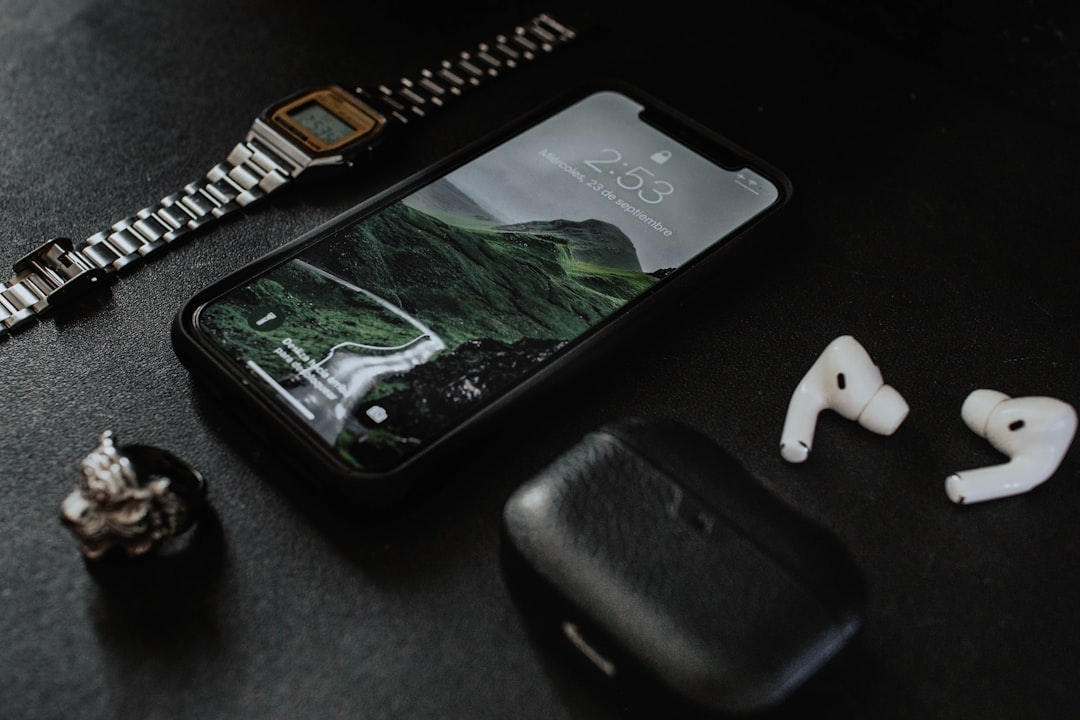
Clear phone cases represent an elegant solution for users who want to protect their devices without hiding the original design. Smartphone manufacturers invest heavily in creating beautiful devices with premium materials and distinctive colors, and clear cases allow users to showcase these design elements while maintaining essential protection. In 2025, clear case technology has advanced significantly, addressing historical issues like yellowing and reduced clarity over time.
This comprehensive guide explores everything you need to know about clear phone cases, from understanding the materials that resist yellowing to selecting cases that provide genuine protection. We'll examine the trade-offs involved, maintenance tips for keeping cases crystal clear, and recommendations for the best options available today. Whether you've just purchased a new phone in a stunning color or simply appreciate minimalist aesthetics, this guide will help you find the perfect clear case.
The Appeal of Clear Phone Cases
Clear cases have surged in popularity as smartphone designs have become increasingly sophisticated. Modern phones feature premium materials like stainless steel, aluminum, and ceramic, along with carefully crafted color options that users want to display. Clear cases provide protection while preserving the phone's original appearance, allowing users to enjoy their device's aesthetics without compromise.
The minimalist aesthetic of clear cases appeals to users who appreciate understated elegance. Unlike bold, colorful cases that make strong style statements, clear cases let the phone itself be the focal point. This approach particularly resonates with users who view their phones as design objects worth showcasing, not concealing beneath opaque protection.
Clear cases also offer versatility that colored alternatives can't match. They complement any outfit or environment without clashing, making them ideal for users who want consistency across different contexts. Whether you're in formal business settings, casual social situations, or creative workspaces, clear cases maintain appropriate aesthetics while protecting your device.
Understanding Yellowing and How to Prevent It
The most significant challenge facing clear phone cases is yellowing, a discoloration process that affects many transparent materials over time. This yellowing occurs due to oxidation, UV exposure, and contact with oils from skin and environmental pollutants. Traditional clear cases made from TPU are particularly susceptible to yellowing, often showing visible discoloration within months of regular use.
Modern clear cases employ various strategies to combat yellowing. Anti-yellowing coatings create barriers between the case material and oxidizing agents, significantly slowing discoloration. Some manufacturers use specially formulated materials that resist oxidation more effectively than standard TPU. Premium options may incorporate UV stabilizers that prevent degradation from sunlight exposure, crucial for users who spend significant time outdoors.
Material selection plays a crucial role in yellowing resistance. While TPU remains popular due to its flexibility and shock absorption, it's inherently prone to yellowing. Polycarbonate offers better color stability but less flexibility and shock absorption. Many premium clear cases now use hybrid materials or advanced polymer formulations that balance protection with long-term clarity, though these typically command higher prices.
Protection Capabilities of Clear Cases
Users sometimes assume clear cases provide inferior protection compared to opaque alternatives, but this isn't necessarily true. Quality clear cases offer protection equivalent to similarly-constructed opaque cases, as transparency doesn't inherently reduce protective capabilities. The key is understanding what protection level different clear cases provide and selecting appropriate options for your needs.
Most clear cases focus on scratch protection and defense against minor impacts, similar to standard slim cases. They feature raised bezels around screens and cameras, preventing direct contact with surfaces when phones are laid flat. This design effectively protects against everyday hazards like keys in pockets or surface scratches from rough surfaces. The clear material allows users to verify proper case installation and ensures no debris becomes trapped between case and phone.
Some manufacturers produce heavy-duty clear cases combining transparent materials with reinforced corners and multi-layer construction. These cases pass military drop-test standards while maintaining transparency, proving that clear cases can provide serious protection. However, achieving both clarity and heavy-duty protection typically requires thicker designs that may reduce the minimalist aesthetic many clear case users seek.
Material Options for Clear Cases
TPU remains the most common material for clear phone cases due to its excellent balance of flexibility, shock absorption, and cost-effectiveness. TPU cases feel pleasant to handle, install easily, and provide adequate protection for most users. However, as mentioned, TPU is susceptible to yellowing over time. Users should expect to replace TPU clear cases periodically to maintain crystal-clear appearance, typically every 6-12 months depending on usage and environmental factors.
Polycarbonate clear cases offer superior hardness and better resistance to yellowing compared to TPU. The rigid material provides excellent scratch resistance and maintains clarity longer. However, polycarbonate's hardness makes it less effective at shock absorption and more prone to cracking from severe impacts. These cases work well for users prioritizing long-term clarity and scratch protection over maximum impact absorption.
Hybrid clear cases combine multiple materials to leverage their respective advantages. A common approach pairs a flexible TPU bumper for shock absorption with a rigid polycarbonate back panel for clarity and scratch resistance. This construction provides well-rounded protection while addressing yellowing concerns by using more stable materials for the most visible areas. Premium options may incorporate silicone, acrylic, or other specialized materials to optimize both protection and long-term appearance.
Maintaining Your Clear Case
Proper maintenance significantly extends the clarity and lifespan of clear phone cases. Regular cleaning removes oils, dirt, and pollutants that accelerate yellowing and reduce transparency. Use mild soap and water with a soft cloth for basic cleaning, avoiding harsh chemicals that might damage the case material or anti-yellowing coatings. For stubborn dirt, isopropyl alcohol on a microfiber cloth effectively cleans without causing damage.
Minimize UV exposure when possible to slow yellowing, particularly for TPU cases. While you can't avoid all sunlight, limiting direct sun exposure during extended periods helps preserve clarity. When leaving your phone in cars or near windows, place it face-down or in a bag to shield the case from UV rays. Some users keep their clear cases in protective pouches when not in use, though this may be impractical for most people.
Inspect cases regularly for signs of yellowing or damage. Early-stage yellowing can sometimes be addressed with specific cleaning solutions designed for clear phone cases, though results vary. If yellowing becomes pronounced or the case shows cracks or significant wear, replacement is advisable. Most clear cases are relatively affordable, making periodic replacement a reasonable strategy for maintaining pristine appearance.
Design Considerations and Customization
While clear cases primarily showcase phone design, some options incorporate subtle design elements without compromising transparency. Minimalist patterns, transparent color tints, or geometric details can add personality while maintaining the clear aesthetic. These design touches allow some customization while preserving the ability to see through to your phone's original appearance.
Grip enhancements represent important design considerations for clear cases. The smooth surfaces of both phones and clear cases can create slippery combinations, increasing drop risk. Look for cases with textured sides or grip patterns that improve handling security without obstructing the clear back panel. Some cases achieve this through strategic placement of grip dots or textured edges that provide security while maintaining clean aesthetics.
Button and port cutout design significantly affects user experience with clear cases. Precise cutouts ensure easy access to all functions without removing the case, while raised button covers should provide clear tactile feedback. Quality clear cases maintain exact specifications for camera cutouts, preventing any interference with photo quality or flash performance. Verify these details before purchasing, as poor cutout design creates daily frustrations.
Top Clear Case Recommendations
Several manufacturers have established reputations for producing excellent clear cases. Spigen's Ultra Hybrid series offers outstanding value, combining polycarbonate clarity with TPU bumpers for comprehensive protection. The cases resist yellowing better than pure TPU options and provide military-grade drop protection. Air Cushion Technology in corners enhances impact absorption, making these cases suitable for accident-prone users.
Tech21's Evo Clear cases incorporate proprietary FlexShock material that provides impressive impact protection while maintaining transparency. The cases are slim despite their protective capabilities and feature effective anti-yellowing technology. Tech21 backs their cases with lifetime warranties, demonstrating confidence in durability and long-term performance.
OtterBox Symmetry Clear cases bring the company's protection expertise to transparent designs. These cases pass rigorous drop tests while staying remarkably clear over time. The slim profile maintains easy pocketability, and raised screen bumpers provide excellent display protection. OtterBox cases typically cost more than budget alternatives but deliver superior durability and clarity retention.
When Clear Cases Aren't the Right Choice
Despite their advantages, clear cases aren't ideal for every user or situation. Those who work in particularly dirty or dusty environments may find that clear cases show grime and require frequent cleaning to maintain appearance. In such situations, darker cases that hide dirt more effectively might prove more practical, even if they conceal phone design.
Users who drop phones frequently should carefully consider whether clear cases provide adequate protection for their needs. While some clear cases offer excellent drop protection, the most protective options often aren't available in clear designs, or the clear versions sacrifice some protection to maintain transparency. Chronic phone-droppers might prioritize maximum protection over showcasing device design.
Personal style preferences also matter. Some users simply prefer bold case designs that make statements or match their wardrobe. Clear cases serve users who want their phone to be the statement piece, but those who view cases as fashion accessories might find opaque options more satisfying. There's no wrong choice – it's about understanding your priorities and selecting cases that align with your preferences.
Conclusion
Clear phone cases successfully bridge the gap between protection and aesthetics, allowing users to safeguard their devices while showcasing original designs. Modern materials and anti-yellowing technologies have addressed historical weaknesses, making clear cases viable long-term options rather than temporary solutions. By understanding materials, maintenance requirements, and protection capabilities, users can confidently select clear cases that meet their needs.
Whether you've invested in a phone with a stunning color you want to display or simply appreciate minimalist design, quality clear cases provide protection without compromise. Take time to research options, prioritize anti-yellowing features, and maintain your case properly to enjoy crystal-clear protection that lets your phone's beauty shine through.